

Hey there! I'm a supplier of cold saw blades, and I've seen firsthand how the feed rate can make or break a cutting job. In this blog, I'm gonna dive into how the feed rate affects the cutting of a cold saw blade.
Let's start with the basics. The feed rate is how fast the saw blade moves through the material you're cutting. It's measured in inches per minute (IPM) or millimeters per minute (mm/min). This rate is super important because it directly impacts the quality of the cut, the lifespan of the blade, and even the overall efficiency of your cutting operation.
Impact on Cutting Quality
One of the most obvious ways the feed rate affects cutting is the quality of the cut itself. If the feed rate is too slow, the saw blade will essentially be rubbing against the material for a longer time. This can lead to a lot of heat buildup. You see, cold saw blades are designed to cut at a certain pace, and when they're forced to work too slowly, the excess heat can cause the material around the cut to warp or deform. For example, if you're cutting a piece of metal, slow feed rates might result in a rough, uneven cut edge with burrs, which is definitely not what you want, especially if you're looking for a clean, professional finish.
On the flip side, if the feed rate is too fast, the saw blade won't have enough time to properly cut through the material. It'll start to tear rather than cut, leaving jagged edges and potentially causing the blade to chip or break. Imagine trying to cut through a thick piece of wood with a hand saw and yanking it through too quickly - you'll end up with a mess. The same principle applies to cold saw blades. A high - speed, uncontrolled feed rate can also cause vibrations, which further degrade the quality of the cut.

Effect on Blade Lifespan
The feed rate also has a huge impact on how long your cold saw blade will last. When the feed rate is too slow, as I mentioned earlier, the heat generated can damage the blade. The high temperatures can cause the teeth of the blade to lose their hardness and sharpness over time. This means you'll have to replace the blade more frequently, which can get expensive.
Conversely, an overly fast feed rate places excessive stress on the blade. The teeth are forced to cut through the material at a rate they're not designed for, leading to premature wear and tear. The blade might start to dull quickly, or even worse, the teeth could break off. You don't want to be constantly shelling out for new blades because you're not using the right feed rate.
Influence on Cutting Efficiency
Efficiency is key in any cutting operation, and the feed rate plays a crucial role here. A proper feed rate allows the saw blade to cut through the material smoothly and quickly. You'll get more work done in less time, which means increased productivity. For instance, if you're running a manufacturing plant where you need to cut a large number of metal rods, using the right feed rate can significantly reduce the overall cutting time.
However, if you set the feed rate incorrectly, you'll end up wasting time. A slow feed rate means longer cutting times, and a fast feed rate can lead to frequent blade changes and rework due to poor - quality cuts. So, finding that sweet spot for the feed rate is essential for maximizing efficiency.
Factors Affecting the Ideal Feed Rate
Now, you might be wondering, "How do I determine the right feed rate?" Well, it depends on several factors. The type of material you're cutting is a major one. Different materials have different hardness and density levels. For example, cutting through aluminum is a lot different from cutting through stainless steel. Aluminum is softer and easier to cut, so you can generally use a higher feed rate compared to stainless steel, which is much harder.
The thickness of the material also matters. Thicker materials usually require a slower feed rate because the saw blade has to work harder to cut through them. If you try to force a high feed rate on a thick piece, you'll likely damage the blade.
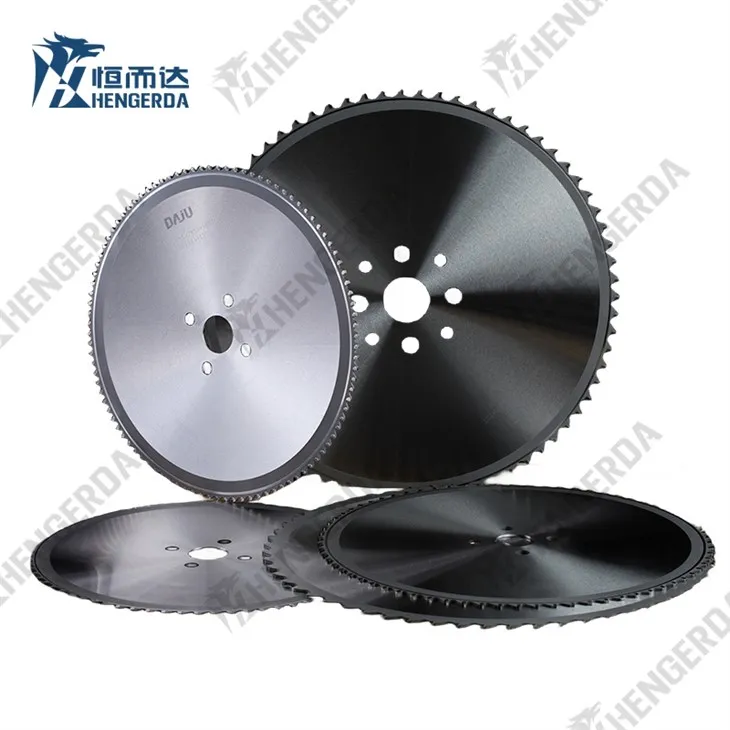
The type of cold saw blade you're using is another factor. Carbide Saw Blade are made of a very hard and durable material, so they can often handle higher feed rates compared to other types of blades. Tengsten Carbide Tipped Saw Blade also offer excellent cutting performance and can tolerate different feed rates depending on their design and the quality of the carbide tips.
Finding the Optimal Feed Rate
To find the optimal feed rate, it's a good idea to start with the manufacturer's recommendations. Most cold saw blade manufacturers provide guidelines on the appropriate feed rates for different materials and blade types. You can usually find this information in the product manual or on the manufacturer's website.
Once you've got the recommended range, do some test cuts. Start at the lower end of the range and gradually increase the feed rate while observing the quality of the cut and the performance of the blade. Look for a smooth, clean cut with minimal burrs and no signs of excessive vibration or blade damage.
If you're still not sure, you can also consult with experts in the field. As a cold saw blade supplier, I'm always happy to help my customers figure out the best feed rates for their specific cutting needs. I've seen a wide range of cutting applications, and I can offer practical advice based on my experience.
Conclusion
In conclusion, the feed rate is a critical factor in the cutting process when using a cold saw blade. It affects the quality of the cut, the lifespan of the blade, and the overall efficiency of your operation. By understanding how the feed rate works and taking the time to find the optimal rate for your specific situation, you can ensure that you get the best results from your cold saw blade.
If you're in the market for high - quality Metals Cutting Circular Saw Blade or need more advice on feed rates and cutting techniques, don't hesitate to reach out. I'm here to assist you in making the most of your cutting operations. Whether you're a small - scale workshop or a large manufacturing facility, I've got the right cold saw blade solutions for you. Let's work together to improve your cutting process and boost your productivity.
References
- "Cutting Tools Handbook" by Sandvik Coromant
- Various technical bulletins from cold saw blade manufacturers