

Hey there! As a supplier of steel cutting rules, I know firsthand the importance of ensuring operator safety during the implementation process. Steel cutting rules are crucial tools in various industries like packaging, printing, and automotive manufacturing. They're used to cut, score, and crease different materials, but working with them can be risky. So, in this blog, I'll share some practical tips on how to keep operators safe when implementing steel cutting rules.
Provide Adequate Training
First and foremost, proper training is a must. Operators should be well - versed in how steel cutting rules work, how to handle them correctly, and what safety procedures to follow. This training should cover both theoretical knowledge, like the anatomy and working principles of Steel Rule Blade, and hands - on practice.
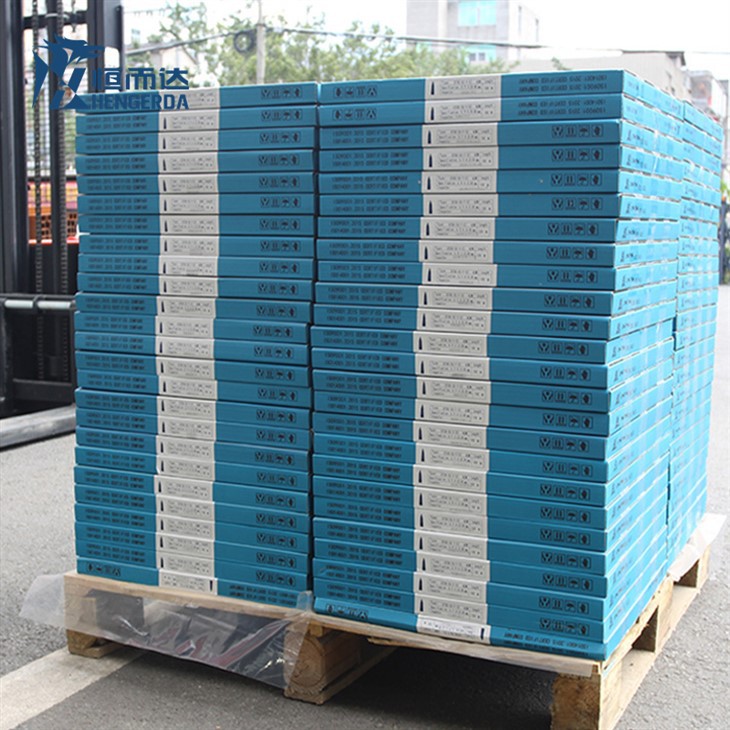

For example, operators need to know how to install and remove the steel cutting rules safely. Incorrect installation can lead to the blade becoming loose during operation, which is extremely dangerous. They should also learn the right techniques for adjusting the cutting pressure to avoid unnecessary force that might cause the blade to break or bounce back.
Training should be regular and updated, especially when new types of steel cutting rules, such as Label Rules, are introduced. This ensures that operators are always aware of the latest safety requirements and best practices.
Use Personal Protective Equipment (PPE)
PPE is another essential aspect of operator safety. Operators should always wear appropriate gear when working with steel cutting rules. Safety glasses are a must to protect their eyes from flying debris or metal shavings that can be generated during the cutting process.
Gloves are also important, but they need to be the right type. Cut - resistant gloves can prevent cuts and abrasions when handling the sharp blades. However, gloves should not be too bulky, as they may interfere with the operator's dexterity and ability to handle the tools accurately.
Ear protection should be worn if the cutting process is noisy. Prolonged exposure to high - noise levels can cause hearing loss, so it's better to be safe than sorry. And of course, depending on the environment, operators may also need to wear safety shoes to protect their feet from heavy objects or potential sharp objects on the floor.
Maintain a Safe Work Environment
A clean and organized workspace is essential for operator safety. All tools and equipment, including steel cutting rules, should be stored properly when not in use. This not only reduces the risk of accidents but also makes it easier for operators to find what they need quickly.
The work area should be well - lit so that operators can clearly see what they're doing. Poor lighting can lead to mistakes and accidents, especially when dealing with small and sharp objects like steel cutting rules.
Floor surfaces should be kept dry and free from clutter. Slippery floors can cause falls, and tripping over objects can result in serious injuries. Hazardous areas should be clearly marked with signs, like areas where the cutting machines are in operation.
Regularly Inspect and Maintain Equipment
Steel cutting rules and the cutting machines they're used with need regular inspections and maintenance. Before each use, operators should check the steel cutting rules for any signs of wear, damage, or dullness. A worn - out or damaged blade can not only affect the quality of the cutting but also pose a safety risk.
If a blade is found to be faulty, it should be replaced immediately. Maintenance of the cutting machines is also vital. They should be serviced according to the manufacturer's recommendations to ensure they're in good working condition. This includes checking the moving parts, lubricating them as needed, and calibrating the machine to ensure accurate cutting. For instance, Flatbed Die Cutting Steel Blade used in flat - bed die - cutting machines requires precise calibration for optimal and safe operation.
Implement Safety Procedures
Having clear and well - enforced safety procedures is crucial. These procedures should cover every aspect of working with steel cutting rules, from setting up the machine to shutting it down.
For example, there should be a standard procedure for starting and stopping the cutting machine. Operators should be trained to follow these steps precisely to avoid any unexpected starts or stops that could cause injuries.
Emergency procedures should also be in place. In case of an accident, operators need to know how to stop the machine immediately, where to find the first - aid kit, and how to contact emergency services. These procedures should be posted in a visible location in the work area and reviewed regularly with the operators.
Encourage a Safety - First Culture
Finally, creating a safety - first culture within the organization is vital. Management should lead by example and prioritize safety over productivity. This means not pressuring operators to work faster at the expense of safety.
Employees should be encouraged to report any safety concerns or near - misses. This open communication can help identify potential hazards before they turn into serious accidents. Rewarding employees for following safety procedures and suggesting safety improvements can also boost morale and reinforce the importance of safety.
In conclusion, ensuring the safety of operators while implementing steel cutting rules requires a combination of proper training, the use of PPE, a safe work environment, regular equipment maintenance, clear safety procedures, and a strong safety culture. By following these guidelines, you can significantly reduce the risk of accidents and create a safer workplace for everyone.
If you're in need of high - quality steel cutting rules and want to learn more about how we can meet your requirements, feel free to reach out for a procurement discussion. We're here to help you find the best solutions for your business.
References
- Industry safety standards guidelines provided by relevant safety organizations
- Manufacturer's manuals for steel cutting rules and cutting machines
- Experience and best practices from long - term operations in the steel cutting rules supply industry