

How does the cutting speed relate to the cutting rules of dies?
As a supplier of cutting rule dies, I've delved deep into the intricate relationship between cutting speed and cutting rules. In my experience, understanding this connection is crucial for optimizing the performance of die - cutting operations across various industries.
The Basics of Cutting Speed and Cutting Rules
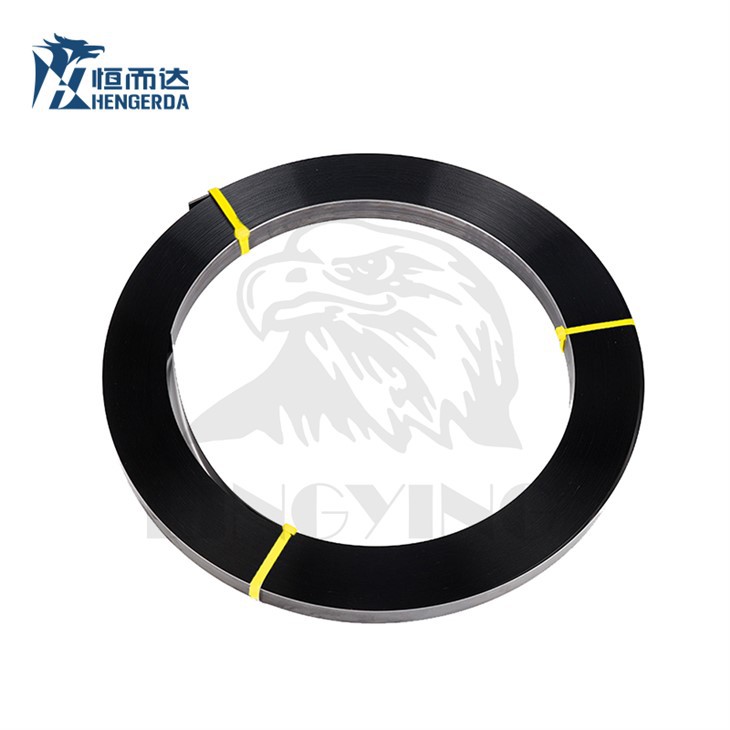
Cutting speed, often measured in meters per minute (m/min) or feet per minute (ft/min), refers to how fast the cutting edge of the die contacts the material during the cutting process. It is a key parameter that impacts both the efficiency and the quality of the cut. On the other hand, cutting rules are the blades or edges embedded in the die that perform the actual cutting. They come in various shapes, sizes, and materials, such as the Steel Rule Blade, designed to meet different cutting requirements.
Impact of Cutting Speed on Cutting Rules
Wear and Tear
One of the most significant effects of cutting speed on cutting rules is wear and tear. When the cutting speed is too high, the friction between the cutting rule and the material increases substantially. This excessive friction generates heat, which can cause the cutting edge to soften and wear out more quickly. For example, in a high - volume die - cutting operation of cardboard using a Steel Flatbed Die Cutting Rule, if the cutting speed is set well beyond the recommended range, the blade may lose its sharpness within a few hours of continuous use. This leads to a decrease in cutting quality, as the worn blade may tear or crush the material instead of making a clean cut.
Material Compatibility
Cutting speed also plays a crucial role in material compatibility with cutting rules. Different materials have different properties, such as hardness, density, and elasticity. For instance, when cutting a soft and elastic material like rubber, a lower cutting speed is often required. If a high - speed cutting is attempted, the rubber may deform or stretch under the pressure, causing the cutting rule to deviate from the intended cutting path. In contrast, when cutting a hard and brittle material like acrylic, a higher cutting speed may be more appropriate, as long as the cutting rule is made of a material strong enough to withstand the sudden forces generated during the cut.
Impact of Cutting Rules on Cutting Speed
Blade Geometry
The geometry of the cutting rule significantly affects the achievable cutting speed. A cutting rule with a sharp and optimized blade angle can penetrate the material more easily, allowing for a higher cutting speed. For example, a V - shaped blade design can distribute the cutting force more evenly along the edge, reducing the resistance and enabling faster cutting. In comparison, a blade with a dull or poorly designed angle will require more force to cut through the material, limiting the cutting speed.
Material of the Cutting Rule
The material used to manufacture the cutting rule also impacts the cutting speed. High - quality materials, such as special alloys used in Flatbed Die Cutting Steel Blade, are more resistant to wear and heat. These materials can maintain their sharpness even at higher cutting speeds, allowing for more efficient and faster cutting operations. Cheaper or lower - quality materials may start to degrade rapidly at high speeds, forcing operators to reduce the cutting speed to maintain cutting quality.
Optimizing the Relationship between Cutting Speed and Cutting Rules
Testing and Calibration
To achieve the best results, it is essential to conduct thorough testing and calibration. This involves testing different cutting speeds with a particular cutting rule and material combination. By carefully monitoring the cutting quality, tool wear, and production efficiency, operators can determine the optimal cutting speed for a given cutting rule. For example, in a production line of die - cut labels, experimenting with different speeds on a die equipped with a specific cutting rule can help identify the speed that maximizes throughput while maintaining label quality.
Cutting Rule Selection
Choosing the right cutting rule for a specific cutting speed and material is also crucial. If a high cutting speed is required to meet production targets, a cutting rule made of a high - performance material and with an appropriate blade geometry should be selected. Conversely, if the material is difficult to cut or the cutting quality is of utmost importance, a more conservative approach to cutting speed and a carefully chosen cutting rule may be necessary.
Real - world Applications and Case Studies
In the packaging industry, the relationship between cutting speed and cutting rules is of great significance. For example, a large - scale packaging company was facing issues with high blade wear and inconsistent cutting quality when using a standard cutting rule at a relatively high cutting speed. After switching to a Flatbed Die Cutting Steel Blade specifically designed for high - speed cutting, they were able to increase the cutting speed by 20% while reducing blade replacement frequency by 30%. This not only improved production efficiency but also reduced costs associated with tooling.
In the automotive industry, where precision cutting of gaskets and seals is required, the cutting speed and cutting rules must be carefully balanced. A manufacturer was struggling to achieve the required precision at a high cutting speed. By selecting a cutting rule with a more precise blade geometry and adjusting the cutting speed based on the material properties of the rubber gaskets, they were able to improve the cutting accuracy and increase the production rate.

Conclusion
In conclusion, the relationship between cutting speed and cutting rules is complex and interdependent. Cutting speed affects the wear and tear of cutting rules and their compatibility with different materials, while cutting rules, in turn, influence the achievable cutting speed through their geometry and material. By understanding this relationship, conducting proper testing, and making informed choices about cutting rules, manufacturers can optimize their die - cutting operations, improve efficiency, and enhance product quality.
If you are looking to optimize your die - cutting processes and are in need of high - quality cutting rule dies, we are here to assist you. Our team of experts can help you select the most suitable cutting rules for your specific requirements and guide you on the optimal cutting speeds for different materials. Feel free to contact our sales representatives to start a productive conversation about your die - cutting needs.
References
- Smith, J. (2018). Die - Cutting Technology: Principles and Applications. Journal of Manufacturing Processes.
- Brown, A. (2019). The Impact of Cutting Conditions on Blade Wear in Die - Cutting Operations. International Journal of Machining and Machinability of Materials.
- Lee, K. (2020). Advancements in Cutting Rule Materials for High - Speed Die - Cutting. Precision Engineering Journal.